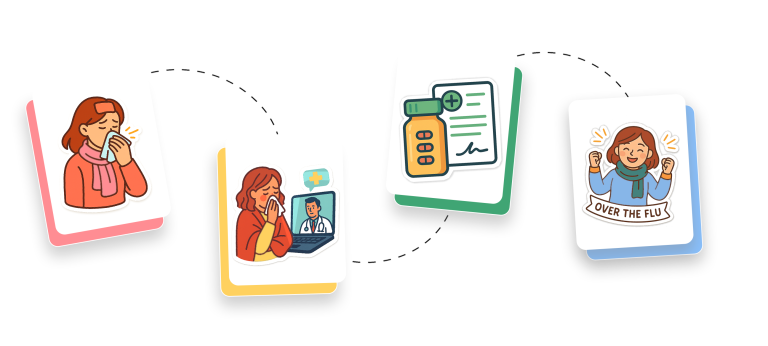
Common Flu Symptoms in Adults: How to Get Fast Online Flu Care
Influenza, commonly known as the flu, affects millions of adults every year. Recognizing flu symptoms early is essential to reduce complications and speed recovery. FluGenie connects patients with licensed healthcare providers online, allowing for safe, convenient, and same-day flu assessment from home. Telehealth offers professional guidance while minimizing exposure to others, ensuring both effective treatment and patient safety.

Common Flu Symptoms in Adults
Influenza symptoms in adults can appear suddenly and vary in intensity. Early recognition is essential for timely evaluation and management through a licensed healthcare provider online via online flu consultation. Below is a detailed, compliant explanation of common symptoms:
Fever and Chills
Fever often develops suddenly with influenza, typically ranging from 100°F to 104°F (37.8°C–40°C). Chills may accompany fever and can be severe, leading to discomfort and fatigue. While fever is a common symptom, persistent high fever (>103°F / 39.4°C) or fever that does not respond to supportive care should prompt urgent evaluation by a licensed practitioner.
Fatigue and Weakness
Influenza can cause profound tiredness and weakness that affects daily functioning. Adults may feel unable to perform routine tasks, even with rest. While mild fatigue is common, persistent or worsening weakness, especially alongside other red-flag symptoms, requires professional assessment. Telehealth providers can advise on safe activity levels and symptom monitoring.
Body Aches and Muscle Pain
Muscle aches, including soreness in the back, arms, and legs, are frequent with flu. These pains result from the body’s immune response to the virus. Severe or persistent body aches can interfere with mobility and self-care. Licensed practitioners online can provide guidance on pain management and supportive care.
Headache
Influenza-related headaches are often moderate to severe and may persist throughout the illness. Headaches can be accompanied by sensitivity to light, fatigue, or congestion. While most headaches can be managed at home, a sudden, severe headache or new neurological symptoms should prompt urgent evaluation.
Cough
Flu-related cough may be dry or productive and can last for days. Persistent coughing may cause throat irritation and chest discomfort. While common in most adult flu cases, cough accompanied by shortness of breath or chest pain warrants immediate medical attention.
Sore Throat and Congestion
A sore throat often develops with flu and may be accompanied by nasal congestion or a runny nose. These symptoms can make swallowing uncomfortable and affect sleep. FluGenie’s licensed practitioners can provide strategies for symptom relief and determine if further evaluation is needed.
Nausea or Vomiting
While nausea and vomiting are more frequent in children, some adults experience these symptoms during influenza. Dehydration is a concern if vomiting persists. Telehealth providers can advise on hydration strategies, dietary adjustments, and monitoring warning signs.
Sweating and Loss of Appetite
Sweating and reduced appetite are common and may contribute to dehydration, especially if fever is present. Adults are encouraged to maintain adequate fluid intake and light, nutrient-rich foods. Licensed practitioners can provide guidance on hydration and dietary support tailored to your symptoms.
Red-Flag Symptoms Requiring Urgent Evaluation
While most influenza symptoms can be managed at home or via telehealth, certain signs require immediate attention from a licensed healthcare provider or emergency services:
- Difficulty breathing or shortness of breath – Could indicate viral pneumonia or complications.
- Persistent high fever (>103°F / 39.4°C) – Fever unresponsive to supportive care may require in-person evaluation.
- Chest pain or pressure – May signal cardiac or pulmonary complications.
- Confusion or dizziness – Could indicate dehydration, hypoxia, or other serious conditions.
- Symptoms worsening after initial improvement – Flu symptoms that suddenly worsen may signal secondary infections.
Prompt recognition of these symptoms allows for timely intervention through a virtual flu evaluation with a licensed practitioner, ensuring patients receive safe, evidence-based guidance while avoiding unnecessary exposure to clinics or waiting rooms.
Causes and Risk Factors
Influenza is caused by influenza viruses that spread via droplets when an infected person coughs, sneezes, or talks. Adults at higher risk for severe illness include:
- Older adults (65+)
- Pregnant individuals
- Patients with chronic illnesses (diabetes, asthma, heart disease)
- Immunocompromised patients
Telehealth solutions, like FluGenie, allow at-risk adults to access licensed healthcare providers online for rapid evaluation and treatment.
When to Seek Care

Consult a licensed healthcare provider online if you experience:
- Sudden onset of severe fever, fatigue, or body aches
- Worsening cough or breathing difficulty
- High-risk conditions that could complicate flu recovery
- Need for same-day evaluation and guidance
Early virtual flu evaluation enables providers to recommend treatment, monitor progression, and reduce the risk of complications.
Treatment Options for Adults
Supportive Care
Most flu cases in adults can be managed at home with:
- Rest and hydration
- Over-the-counter medications for fever and aches
- Nutrient-rich foods to support the immune system
Prescription Antivirals
For patients with high-risk conditions or severe symptoms, licensed providers may prescribe antiviral medications if clinically appropriate. Early intervention (within 48 hours of symptom onset) can:
- Shorten illness duration
- Reduce symptom severity
- Lower the risk of complications
Telehealth Benefits
Through online flu consultation, patients receive:
- Same-day flu assessment
- Guidance from licensed healthcare providers online
- Confidential, HIPAA-compliant evaluation
- Recommendations for monitoring symptoms and escalating care if necessary
How Online Flu Consultation Works
- Book a Virtual Visit – Complete a digital symptom intake form.
- Connect with a Licensed Practitioner – Providers review your history and conduct a video assessment.
- Receive Recommendations – Personalized guidance, treatment options, and prescription if appropriate.
- Follow-Up Care – Monitor symptoms virtually and receive additional advice as needed.
Preventive Measures
Even if you have mild symptoms, practicing infection control protects others:
- Wash hands frequently with soap and water
- Avoid close contact with others
- Cover coughs and sneezes with a tissue or elbow
- Stay home during illness to prevent transmission
Licensed practitioners during an online flu consultation will reinforce these preventive measures and advise on recovery practices.
Conclusion
Recognizing flu symptoms in adults early and accessing professional care is critical. FluGenie offers licensed healthcare providers online, same-day flu assessment, and virtual flu evaluation from the safety of home. Early intervention through telehealth reduces complications, supports recovery, and protects your community.