How to Cure the Flu Fast. What Actually Helps You Recover Sooner
You wake up feeling wrecked. Your head pounds. Your body aches. You are freezing, then sweating. By noon, the question is not academic anymore. It is urgent. How do you cure flu fast?
Here is the truth most articles bury. There is no instant cure for the flu. But there are proven ways to shorten the illness, ease symptoms, and lower the risk of complications. The biggest one is fast action. CDC guidance says antiviral treatment works best when started within 48 hours of symptoms beginning, and it can shorten illness and reduce complications.
That matters because flu is not just a “bad cold.” The CDC says seasonal flu can cause millions of illnesses, hundreds of thousands of hospitalizations, and tens of thousands of deaths in the U.S. each season. Flu Genie’s own homepage centers that same reality and positions early treatment as the key advantage of online care.
So this guide will give you the honest answer. Not miracle tea. Not “sweat it out” nonsense. Just what actually helps.

What is the fastest way to cure the flu?
The fastest way to recover from the flu is to get evaluated early, ask about antivirals within the first 48 hours, rest aggressively, drink enough fluids, and treat fever and aches safely.
That is the core plan.
If you are high risk, pregnant, older, very young, immunocompromised, or getting worse quickly, speed matters even more. CDC and UK guidance both stress early antiviral treatment and prompt assessment for people at higher risk of complications.
The mistake I see in weak flu content is this. It treats every case like a cozy home remedy problem. Flu is sometimes manageable at home. It is not always casual.
A smarter order of operations looks like this:
- Notice sudden flu symptoms early
- Stay home and reduce exposure to others
- Start fluids and rest immediately
- Contact a clinician quickly if symptoms are severe or you are high risk
- Ask whether antivirals make sense
- Use over-the-counter symptom relief correctly
For readers who need a symptom refresher, Flu Genie already has a solid companion resource on common flu symptoms in adults.
Can antiviral medicine help you get better faster?
Yes. Antiviral medicine can help you recover faster, especially when you start it within 48 hours of symptom onset.
CDC says flu antivirals work best when started in the first one to two days. They can lessen symptoms and shorten the time you are sick by about a day. They may also reduce complications, hospitalization length, and death risk in severe cases.
The main prescription options often include:
- Oseltamivir
- Baloxavir
- Zanamivir
- Peramivir
Mayo Clinic also notes these medicines are most relevant for severe cases and people at high risk.
Here is the blunt opinion. If you are in a high-risk group, waiting to “see if it passes” is bad strategy. The 48-hour window closes fast. A same-day virtual visit is often more useful than scrolling through thirty home remedy threads.
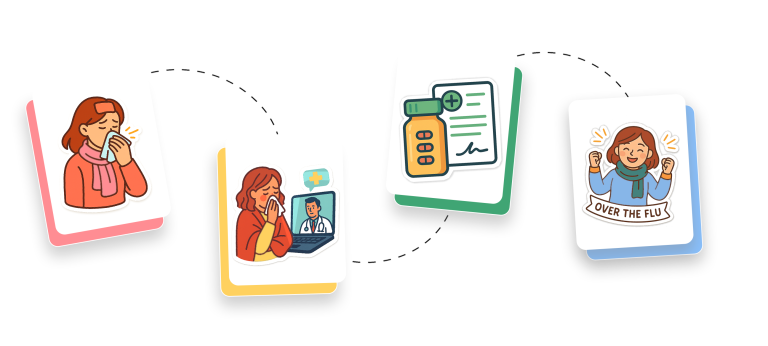
That is exactly where Flu Genie’s model fits. The site says most patients can connect with a licensed provider within 10 to 15 minutes, with no app download required, and prescriptions can be sent to a pharmacy when appropriate.
Here would be Online Flu Consultation with FluGenie.
What should you do in the first 24 hours?
In the first 24 hours, focus on rest, fluids, fever control, and quick medical evaluation if you may need antivirals.
This first day often determines how rough the next week feels.
Do these things first:
- Stay home
- Sleep as much as you can
- Sip water, broth, or oral rehydration fluids
- Eat lightly if you can tolerate food
- Use acetaminophen or ibuprofen if appropriate for fever and body aches
- Avoid intense exercise and alcohol
NHS guidance says most flu cases improve with rest and fluids, while paracetamol or ibuprofen may help lower fever and ease pain.
Two small but important notes.
First, dehydration sneaks up fast when you are sweating, not eating, and sleeping all day. Dark urine, dizziness, dry mouth, or barely peeing are not great signs.
Second, do not give aspirin to children with flu symptoms because of the risk of Reye’s syndrome.
Have A look at How Long Does a Fever Last With the Flu?
Which home remedies actually help?
Home remedies can make you feel better, but they do not kill the flu virus. Their job is symptom relief and hydration support.
That distinction matters.
What can help:
- Warm fluids for sore throat comfort
- Honey for cough in adults and in children over age one
- Humidified air for throat and nasal irritation
- Saline nasal spray
- Soup, broths, and easy foods if your appetite is low
What gets oversold:
- Detox drinks
- Mega-dose supplements
- “Sweating out” the flu
- Antibiotics without a bacterial infection
- Essential oils as primary treatment
This is one of my stronger opinions. Internet flu advice gets weird fast. People love rituals that feel productive. Most of them are just expensive theater.
If something helps you rest, hydrate, or breathe easier, great. If it claims to “flush the virus,” be skeptical.
How long does the flu usually last?
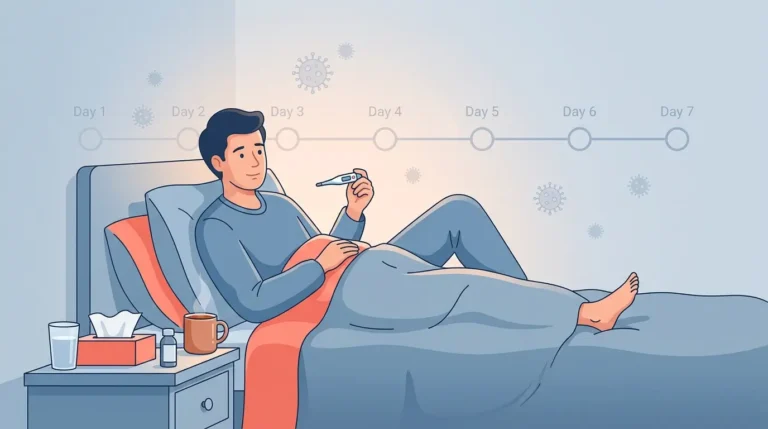
Most uncomplicated flu cases improve in about five to seven days, but fatigue and cough can linger for up to two weeks or longer.
CDC describes uncomplicated flu as an abrupt illness with fever, chills, muscle aches, headache, fatigue, cough, sore throat, and nasal symptoms.
The usual pattern looks like this:
| Day | What often happens |
|---|---|
| 1 to 2 | Sudden fever, chills, aches, exhaustion |
| 3 to 4 | Fever may peak, cough and weakness often continue |
| 5 to 7 | Fever often fades, but fatigue can remain |
| 7 to 14+ | Cough and low energy may linger |
That timeline changes if you are older, pregnant, immunocompromised, or have asthma, diabetes, heart disease, or lung disease.
When should you worry that it is not “just the flu”?
You should get urgent help if you have breathing trouble, chest pain, dehydration, confusion, seizures, or symptoms that improve and then suddenly get worse.
CDC lists emergency warning signs that should not be ignored. They include trouble breathing, chest pain, dehydration, not being alert, seizures, blue lips or face, and fever or cough that improve but then return or worsen.
That last one is important. People often think, “Good, I’m over it,” then crash again. That can point to complications like pneumonia.
Get prompt medical care if:
- You are short of breath
- You cannot keep fluids down
- Your fever stays very high
- You feel confused or faint
- Your symptoms suddenly worsen after early improvement
- You are in a high-risk group
This is where a lot of “recover at home” articles fail readers. They stop at soup and blankets. Real flu advice must include the red flags.
Does online flu care actually save time?
Yes. Online flu care can save critical time, especially when the goal is quick assessment and timely antiviral treatment.
Flu Genie’s site says its patients can usually connect with a licensed provider within 10 to 15 minutes, 24/7, using a secure link sent by email or text. The site also says no insurance is required and no app download is needed.
That matters because flu tends to hit when people least want a waiting room. Nights. Weekends. School mornings. Work travel. Family chaos.
If your goal is speed, telehealth is not just convenient. It can be strategically better.
What mistakes make the flu last longer?
The most common mistakes are waiting too long, doing too much too soon, getting dehydrated, and assuming every worsening symptom is normal.
Here are the repeat offenders:
- Going back to work after one decent afternoon
- Not drinking enough
- Skipping sleep
- Using the wrong medicine or doubling doses
- Ignoring shortness of breath
- Assuming antibiotics fix viral flu
One of the more frustrating myths is that pushing through makes you “stronger.” It usually just drags out recovery.
Your body is already burning energy on immune response. Add poor sleep and dehydration, and you are basically negotiating against yourself.
What helps adults recover faster?
Adults recover faster when they respect the basics early and get evaluated quickly if they have risk factors or severe symptoms.
The adult version of good flu care is not glamorous:
- Early symptom recognition
- Fast medical evaluation when needed
- Real rest
- Hydration
- Safe fever treatment
- Isolation until fever-free for at least 24 hours without fever-reducing medicine
CDC says people with flu should stay home and avoid contact with others except to get medical care.
FAQ
Can you cure the flu in 24 hours?
No. You cannot cure flu in a day. You may feel slightly better with rest, fluids, and fever relief, but the virus usually runs for several days. Antivirals can shorten illness, though they work best when started early.
Is Tamiflu worth it?
For many high-risk patients, yes. Oseltamivir can shorten illness and lower complication risk, especially if started within 48 hours. It is not magic, but it is one of the few evidence-based tools that can actually move the needle.
Should you sweat out the flu?
No. Overheating and dehydration can make you feel worse. Resting, staying comfortably warm, and drinking fluids is the better move.
Do antibiotics help flu?
No. Flu is caused by a virus, and antibiotics do not treat viruses. They are only useful if a clinician diagnoses a bacterial infection as well.
When is flu most dangerous?
Flu is most dangerous for older adults, young children, pregnant people, immunocompromised people, and anyone with chronic heart or lung disease. Severe symptoms in any adult or child also raise the stakes fast.
Is flu A worse than flu B?
Often, yes, especially in severe seasons dominated by influenza A strains like H3N2. But both can cause serious illness. Flu Genie already covers this well in its article on flu A vs flu B.
The bottom line
If you came here hoping for a secret shortcut, here it is. The fastest way to “cure” the flu is not a hack. It is early action.
Rest hard. Hydrate early. Treat fever safely. Watch for red flags. And if you are in that first 48-hour window, ask about antivirals right away. That is the closest thing medicine has to a speed lever for flu recovery.
Flu Genie’s site is already positioned around that exact advantage: fast online flu evaluation, licensed providers, no waiting room, and same-day treatment guidance from home.
That is a strong message because it is useful, not hype.
The better question is not just “how do I cure the flu fast?” It is this: how fast can I make the right first move?
If you want, I can turn this into a cleaner CMS-ready version with schema-ready FAQ markup and tighter on-page SEO formatting.